

How to Compare Roof Quotes in DFW (What Actually Matters)
A lower number on the page doesn’t always mean a better deal, and a higher one doesn’t always mean better work. Here’s what actually separates a fair quote from one that’s cutting corners or padding the total.
The Short Answer
The Short Answer
To compare roof quotes fairly in DFW, put at least two or three side by side and check that each one lists the same scope of work, material spec, warranty terms, and proof of insurance, plus who handles any permit. If a quote is missing any of those four things, you’re not really comparing prices yet, you’re comparing guesses.
- Same scope of work
- Same material spec (exact product, not a vague category)
- Same warranty terms
- Company insured, with permit handling spelled out
Answer a few quick questions in the form above and see what a quote built to that standard actually looks like.
Getting Started
How Many Quotes Should You Actually Get?
According to Roofing Contractor magazine’s 2024 homeowner survey, roughly 67% of homeowners specifically sought three quotes before choosing a contractor, and about 6% went beyond three. On the contractor side, 78% of roofers surveyed in the same report said they don’t charge for that initial quote or assessment, so getting to three doesn’t usually cost anything but time.
| Metric | 2024 Survey Finding |
|---|---|
| Homeowners who sought exactly 3 quotes | 67% |
| Homeowners who sought 4 or more quotes | 6% |
| Roofers who don’t charge for the initial quote | 78% |
Source: Roofing Contractor magazine, 2024 homeowner survey. A more recent survey year from the same publication shows different figures, so treat these as a snapshot from that specific survey rather than a permanent industry constant.
Three isn’t an arbitrary number, either. It’s roughly the point where price and scope differences stop looking random and start telling you something real about what each contractor is actually proposing to do. But volume alone doesn’t help if the quotes aren’t measuring the same thing. Before you compare dollar totals, check whether each quote actually lines up on the items below.
- Scope of work
- Material spec and brand
- Warranty terms, workmanship vs. manufacturer
- Tear-off vs. layover
- Disposal
- Permit fee, if a permit applies
- Payment schedule
- Timeline
Texas Regulations
What Texas Actually Requires From a Roofing Contractor
Here’s something that surprises a lot of homeowners: Texas has no state-level roofing contractor license requirement. Legally, anyone can call themselves a roofer in this state, hang up a sign, and start quoting jobs the same week. There’s no state licensing board checking training, insurance, or experience before someone can knock on your door after a storm.
That doesn’t mean there’s no bar at all, it means the bar sits at the city and business level instead of the state level. A legitimate roofing contractor should have a registered business, carry liability insurance, and say up front whether your project needs a city permit and who will pull it. If a contractor hesitates on any of those three, that’s worth treating as a real answer, not a formality they’ll get to later.
What’s Required vs. Not Required for a DFW Roofing Contractor

Registered Business
Operates as a real, findable business entity, not only a name and a phone number

Liability Insurance
Protects you if a worker is injured or property is damaged during the job
City Permit
Your roofer confirms whether your project needs one and who pulls it
| Item | Required in Texas? |
|---|---|
| Registered business | Yes |
| Liability insurance | Yes |
| City permit, if your project needs one | Ask your roofer |
| State roofing contractor license | No, Texas has none |
Permits in Dallas, Fort Worth, Arlington, and Irving
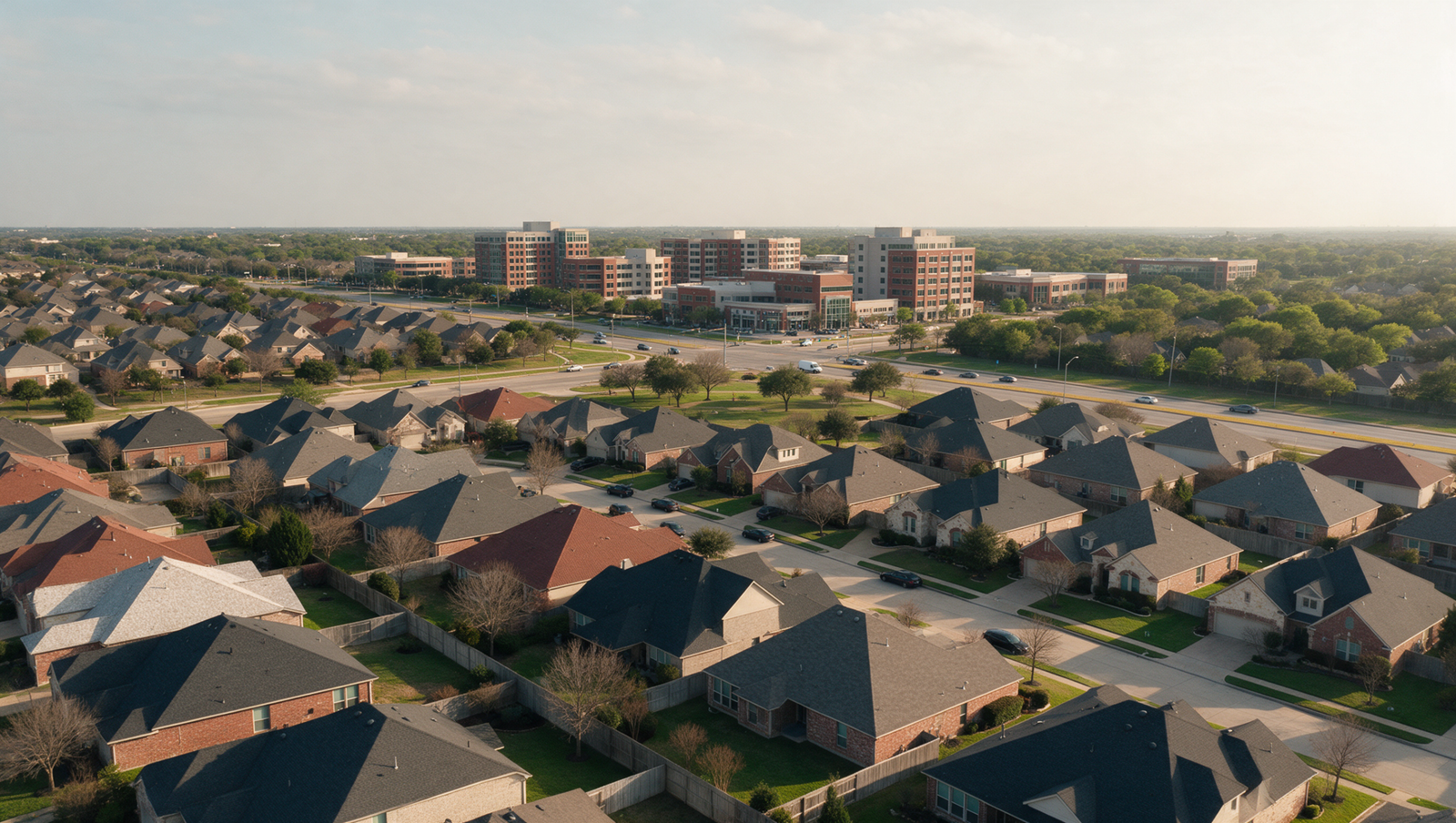
Permit rules vary by city and by the scope of the work, for example whether decking is replaced. Ask your roofer whether your project needs a permit and who will pull it, and make sure any permit fee is in the written quote. Each city publishes its own rules, linked below.
| City | Official permit page |
|---|---|
| Dallas | Dallas building permits |
| Fort Worth | Fort Worth building permits |
| Arlington | Arlington building permits |
| Irving | Irving building permits |
Specific permit fees change from time to time, so confirm the current amount directly with each city’s building department rather than relying on a number printed here.
Manufacturer Certifications
What Manufacturer Certifications Actually Mean
Manufacturer certifications exist on a tier system, and most homeowners never see the difference explained because most companies don’t bother explaining it. Per GAF’s own published figures, fewer than 2% of roofing contractors nationwide hold GAF’s top-tier Master Elite certification. That’s not a marketing number GAF made up for a landing page, it’s their own stated figure for how narrow that group actually is.
GAF’s Three Certification Tiers: Certified, Preferred, and Master Elite

Certified Installer
Completed manufacturer training for standard product warranty eligibility

Preferred Installer
Meets added training and volume requirements, often qualifies for extended coverage

Master Elite (Top Tier)
Held by fewer than 2% of roofing contractors nationwide, per GAF, with ongoing training and performance review required to keep it
What separates the tiers isn’t only a badge. A basic manufacturer-certified installer has completed the entry-level training needed to install that product line correctly and offer the standard product warranty. Moving up a tier typically adds requirements around installation volume, ongoing factory training, and performance review, in exchange for eligibility on the manufacturer’s extended or enhanced warranty coverage.
How Certification Tier Affects Your Warranty
Certification tells you about the manufacturer relationship, not about the crew that actually shows up at your house. One detail worth knowing separately: manufacturer warranties are often transferable to a new homeowner if a sale happens within a set window and the transfer is filed properly, while workmanship warranties from the contractor usually are not. If you’re planning to sell within the warranty period, ask about that transfer process specifically.
Vetting A Quote
Red Flags in a Lowball or Padded Quote
Two very different quotes can both be wrong, and they fail in opposite directions.
Signs of a Lowball Quote
- Tear-off cost missing from the total
- Disposal or dumpster fee missing
- Permit fee left off when one applies
- Price noticeably lower than every other quote for the same scope
Signs of a Padded Quote
- “Premium materials” with no actual product name or spec
- Line items that don’t match anything in a manufacturer’s catalog
- A total price with no itemization at all
- Add-on fees that appear with no explanation
Watch for storm-chaser contractors.
These are typically out-of-state crews that show up in a neighborhood right after a hailstorm, push for a fast signature, and are gone before any warranty claim would ever come due. If you’re dealing with a recent hail event and an insurance claim on top of comparing quotes, the full mechanics of documenting damage and working with an adjuster are covered in the hail damage roof insurance claims guide, rather than repeated here.
Before You Sign
Reading the Fine Print

Payment Schedule Norms
A deposit before work starts is normal, most legitimate contractors ask for one to cover material costs. A large deposit, especially anything close to the full project cost, paid before a single shingle comes off the roof, is a red flag worth walking away from.

Workmanship Warranty vs. Manufacturer Warranty
A workmanship warranty comes from the contractor and covers installation errors. A manufacturer warranty comes from the material maker and covers product defects, not installation mistakes. If the contractor goes out of business, the manufacturer warranty still holds since it’s backed by the material maker, not the installer.

Change-Order Documentation
Roofs sometimes reveal problems only after tear-off starts, rotted decking is the most common one. That’s a legitimate reason for a cost to change, but it shouldn’t show up as a surprise on the final invoice. A written, photo-documented change order approved before extra work begins is the difference.

Financing and Insurance-Proceeds Terms
If financing is part of the deal, get the interest rate, term length, and whether the loan is held by the contractor or a separate lender, in writing. Same logic applies to insurance proceeds and your deductible, know what you’re actually on the hook for before signing.
FAQ: Comparing Roof Quotes in DFW
Most homeowners get around three. In Roofing Contractor magazine’s 2024 homeowner survey, roughly 67% of homeowners specifically sought three quotes, and about 6% went beyond that. Since 78% of roofers surveyed in that same report don’t charge for the initial quote, getting to three generally costs nothing but time.
No. Texas has no state-level license requirement for roofing contractors, so legally anyone can call themselves a roofer in the state. What a legitimate contractor should still have is a registered business, liability insurance, and a straight answer on whether your job needs a city permit and who will pull it.
GAF Certified is the entry-level tier, covering basic manufacturer training and eligibility for standard product warranties. GAF Master Elite is the top tier, held by fewer than 2% of roofing contractors nationwide per GAF’s own published figures, and requires ongoing factory training and performance review to keep, along with eligibility for GAF’s extended warranty coverage.
Permit rules vary by city and by the scope of the work, so ask your roofer whether your project needs a permit and who will pull it. Make sure any permit fee is in the written quote. Each city publishes its own rules: see Dallas building permits and Fort Worth building permits.
Two patterns to watch for. A lowball quote that leaves out tear-off, disposal, or permit costs, which tend to reappear later as change orders. And a padded quote that uses vague language like “premium materials” without naming an actual product or spec you could check. A large upfront deposit before any work has started is a red flag in either case.
Get a Quote You Can Compare
Answer a few quick questions and get matched with our preferred roofing partner for a written quote that spells out scope, material spec, and warranty terms up front, the same items this page walked through. See the full roof quote page if you’d rather start there.